
Listening Across Time
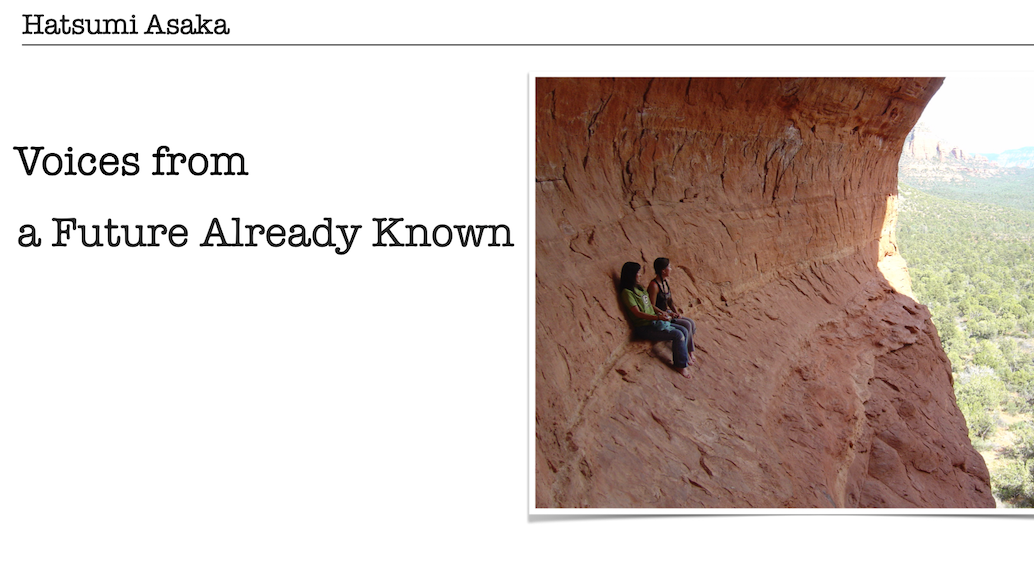
I found myself, unintentionally, listening to words from the past—spoken toward a future whose outcome was already known.
When I’m in the kitchen, I usually cook while listening to someone being interviewed. That Sunday, still a bit foggy-headed, I picked a title at random that happened to catch my eye and let an old talk show episode play in the background. After a while, I realized the guest was Kazuya Hiraide, a world-renowned climber known for taking on unclimbed peaks and new routes. In May 2024, he fell while attempting a new route on K2. From base camp, about three kilometers away in a straight line, staff had been tracking their movements through binoculars. Hiraide was seen still roped to his climbing partner, Kenro Nakajima, at the site of the fall, but neither showed any movement. Because of the altitude and the steep terrain, it was impossible for a helicopter to land, and even a ground rescue from base camp could not reach them. In the end, after discussions among their families and sponsors, the decision was made to call off the rescue.
Not long after their deaths, a documentary was aired using footage Hiraide himself had filmed before the fall—he was also a mountain photographer. I had seen that documentary, but I had missed this interview, recorded the month before he set out for K2.
Hearing his voice again after a long time, I noticed a sincerity in the way he spoke about everyday life, and a quiet intensity beneath it. It was unlike the raw, immediate reality of the climb shown in the documentary released after his death. There was a closeness to his words—as if I could reach out and touch him—and something in them made me pause, reflecting, almost unexpectedly, on the way I had approached my own work the day before.
I stood there for a moment, considering a small hypothetical. Then it occurred to me. Even if he had returned safely from K2 that day, these words would have reached me in much the same way.
When we listen, from a future that already knows the ending, to a voice from the past that does not, time shifts—just slightly—in the way it overlaps. And in that small shift, something reveals itself.
I wondered if that feeling could be brought into my own life. What if I recorded my thoughts in my own voice before taking on something new, and then listened to them again after it was over? How would those same words sound then?
This thought came to me quietly and has stayed with me.